
Nobody Clapped When I Hit 1,000 Subscribers
Nobody Clapped When I Hit 1,000 Subscribers
Jun 08, 2026
The day I crossed 1,000 newsletter subscribers, I was alone at my desk.
No confetti. No congratulations. Just me, a notification, and the quiet realization that this is what building looks like when no one is watching.
I sat there for a moment. Looked at the number. Refreshed the page once — as if confirming it would make it feel more real. It didn't.
And then I went back to work.
I won't pretend the silence didn't feel strange at first.
There's this version of milestones that exists in your head before you hit them. The version where it feels big. Where someone notices. Where you get a moment to breathe and think, okay, this is working.
The reality of the solopreneur journey is a little different.
There's no team to send a quick Slack message to. No manager to report the win to. No co-founder across the table who understands what it took to get here. It's just you, the number, and the slightly anticlimactic feeling of a Tuesday afternoon continuing exactly as it started.
I've been building in public for a while now — documenting the honest, unsexy reality of building a one-person business from scratch. And I'll tell you: nothing prepared me for how quiet the real wins would be.
What the silence actually means
Here's the thing I've come to understand about building a newsletter, or really any audience-based asset: your readers don't clap in real time.
They don't hit a button that says "yes, I see you, keep going." They show up quietly. They read quietly. They decide quietly — whether to stay, whether to share, whether to eventually reach out.
1,000 people chose to hear from me regularly. Not because I paid for a list. Not because of a viral moment. Because they read something, and they decided it was worth more of their time.
That's not nothing. That's actually everything.
The audience is always bigger than the reaction. And if you're waiting for the reaction to confirm you're on the right path, you're going to misread the signals constantly.
What kept the content going on the hard days
I'll be honest with you — there were weeks where I almost didn't send the newsletter.
Not because I didn't have anything to say. But because the early stages of building anything feel like shouting into a room where you're not sure anyone is listening. The open rates don't always spike. The replies are sparse. The visible traction is slow.
What kept me consistent wasn't motivation. It was systems.
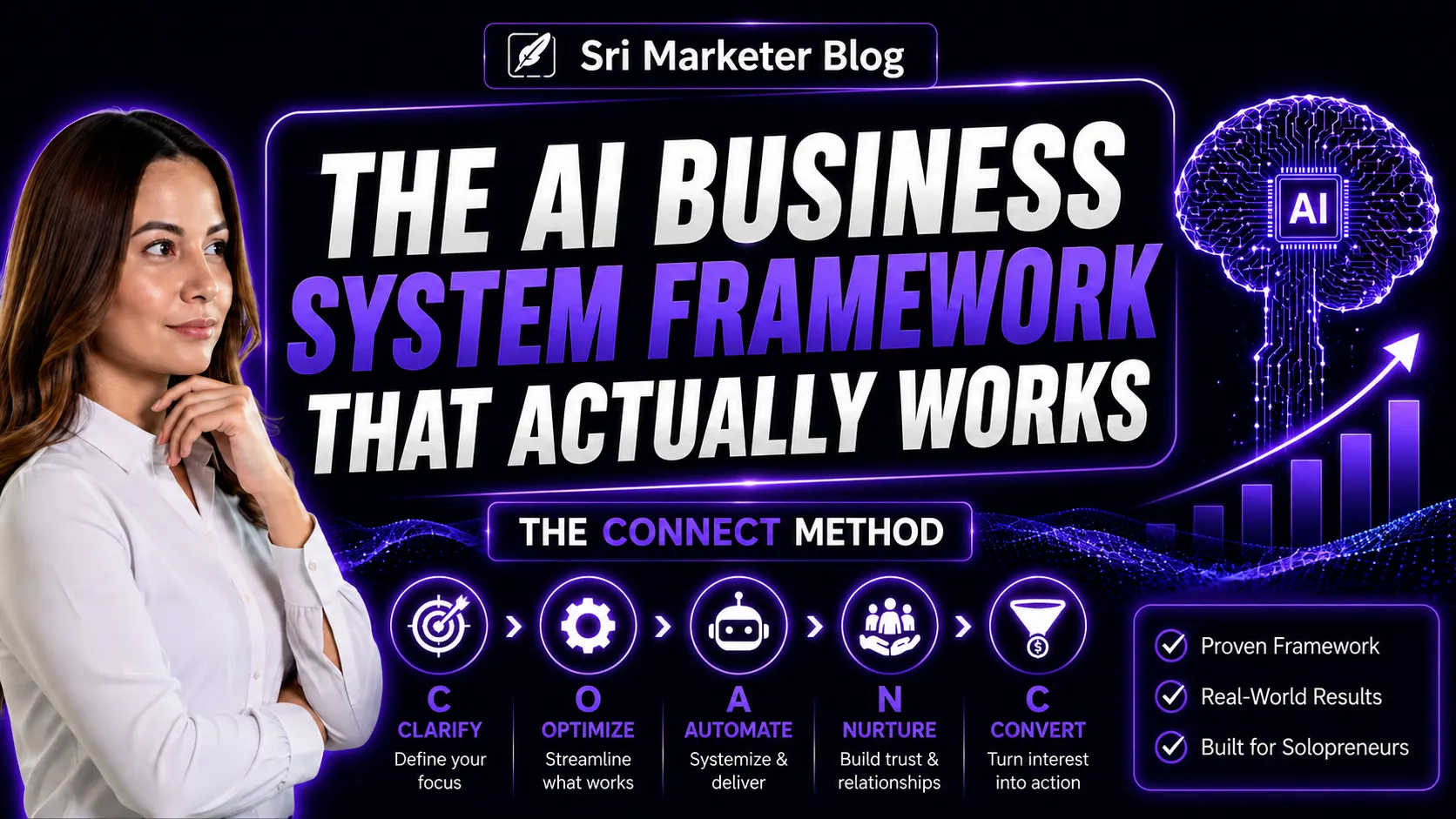
A content rhythm I could follow even when I was tired. A workflow that reduced the friction of showing up so much that skipping felt harder than doing it. A framework — my own Connect Framework — that I apply to my clients and had to apply honestly to myself.
Consistency compounds even when no one is watching. That's not a motivational quote. That's what the data looks like over time when you keep showing up anyway.
The shift that happened at 1,000
What 1,000 subscribers actually taught me is that invisible wins are the real ones.
The visible wins — the likes, the comments, the shares — are confirmation. But the invisible wins are the foundation. Every subscriber who never replied but read every edition. Every reader who mentioned the newsletter to someone else without telling me. Every small system decision that made showing up easier month after month.
External validation is unreliable. Internal momentum — the kind that builds when you just keep doing the work — is everything.
1,000 is not the destination. It's proof the direction is right. The next 1,000 will come faster because the foundation is already built. Not because I'll suddenly have more time or more energy. But because the systems are compounding now too.
If you're building something quietly too — you're not alone.
The milestone might arrive on a Tuesday with no fanfare. The room might be empty. That's okay. It means you're building something real, not just something that looks good from the outside.
Come build alongside the rest of us. Subscribe to AI Insights with Sri — a LinkedIn newsletter for quiet builders who are serious about growing through systems, not stress. Over 1,000 people are already in there. We'd love to have you.
Popular Posts













Sri Krsna Sagun
Marketing Systems Consultant & AI Strategist helping coaches, consultants & SMEs build AI-powered business systems.
Book a Free Call →